


Maxi Skirts have become a versatile option for women's fashion collections, offering a combination of coverage, movement, and styling flexibility. From lightweight summer designs to structured denim styles, different silhouettes can create very different looks even when they share a similar length.
For clothing brands developing new collections, choosing the right maxi skirts for women requires more than deciding on the garment length. Fabric, silhouette, color, construction, and intended occasion all affect the final appearance and performance of the skirt.
What Is a Maxi Skirt?
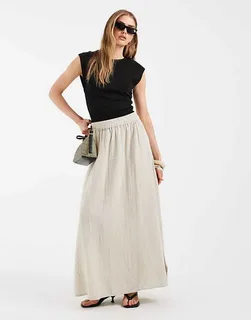
A maxi skirt is generally a long skirt designed to extend toward the ankle or lower leg. Its longer length provides plenty of room for variation in silhouette, making it possible to create fitted, flowing, straight, pleated, or A-line designs.
Because the basic structure is relatively simple, designers can create many different styles by changing the fabric, waistband, hemline, volume, prints, and construction details.
Popular Maxi Skirt Styles for Women
Different silhouettes can serve different fashion purposes. When planning a women's skirt collection, understanding these differences can help brands select styles that complement their overall product range.
Flowy Maxi Skirt
A flowy skirt is designed to move naturally as the wearer walks. Lightweight fabrics and additional volume through the lower part of the garment can create a soft and relaxed appearance.
A flowy maxi skirt is particularly suitable for relaxed, resort, vacation, and warm-weather collections where movement and comfort are important.
A-Line Maxi Skirt
An a line maxi skirt gradually widens from the waist toward the hem. This classic silhouette can work across casual, professional, and fashion collections depending on the selected fabric and details.
For brands looking for a versatile skirt shape, the A-line silhouette provides a useful starting point that can be adapted with different lengths, fabrics, prints, and waistband constructions.
Long Denim Skirt
A long jean skirt provides a more structured alternative to lightweight flowing skirts. Denim can create a casual and durable appearance, while details such as front slits, pockets, washes, and stitching can change the overall style.
For brands targeting casual fashion customers, denim skirt long designs can provide another option within a broader maxi skirt collection.
Floral Maxi Skirt
A floral maxi skirt uses prints to create visual interest without requiring complicated construction. Floral patterns can range from small and subtle prints to large statement designs.
The print scale, background color, fabric drape, and skirt volume should be considered together to create a balanced final design.
Long White Skirt vs. Long Black Skirt
Color can significantly change the styling direction of a long skirt. A long white skirt can create a clean, fresh, and lightweight appearance, making it suitable for spring, summer, resort, and vacation-inspired collections.
A long black skirt, on the other hand, provides a more neutral foundation that can be adapted to casual, evening, professional, and fashion-oriented styling.
| Style | Typical Styling Direction | Design Considerations |
|---|---|---|
| Long White Skirt | Fresh, resort, summer | Fabric opacity, lining, drape |
| Long Black Skirt | Versatile, casual, evening | Fabric texture, silhouette, finishing |
| Floral Maxi Skirt | Feminine, seasonal, resort | Print scale, color balance |
| Long Denim Skirt | Casual, everyday | Denim weight, wash, construction |
Maxi Skirts vs. Midi Skirts for Women
Not every long-skirt design needs to use a maxi length. Midi skirts for women typically finish around the mid-calf area, creating a different proportion from a full-length maxi skirt.
For clothing brands, offering both midi and maxi lengths can help create a more complete skirt collection. The same fabric or print can sometimes be developed into both silhouettes while maintaining a consistent collection identity.
Why Fabric Matters When Designing Maxi Skirts
Fabric selection has a major influence on the final appearance of a long skirt. A lightweight fabric may create soft movement, while heavier materials can provide more structure and shape.
Lightweight fabrics: Suitable for flowy silhouettes and warm-weather designs.
Medium-weight fabrics: Can provide a balance between structure and comfort.
Denim: Suitable for structured and casual long-skirt designs.
Printed fabrics: Useful for creating visual variety through patterns and seasonal designs.
Fabric should be evaluated together with the pattern. A fabric that works well for a structured A-line skirt may not produce the desired result in a highly flowing design.
Choosing Maxi Skirts for Different Seasons
Seasonal requirements can influence the choice of fabric, color, print, and silhouette. summer skirts often emphasize breathability, lightweight construction, and comfortable movement.
Light colors, floral prints, and flowing silhouettes can work well for summer-focused collections. For cooler seasons, brands may consider heavier fabrics, darker colors, and more structured designs.
The same basic skirt silhouette can therefore be adapted across multiple seasons simply by changing the material, print, and styling details.
How to Choose a Maxi Skirt for Different Occasions
The intended occasion should be considered early in the design process. A casual everyday skirt may require different construction and fabric characteristics from a skirt intended for evening or resort wear.
Everyday Casual Wear
Simple silhouettes, comfortable fabrics, and practical details can make maxi skirts suitable for everyday use. Long denim skirts and relaxed A-line designs are examples of styles that can fit this category.
Vacation and Resort Wear
Flowing silhouettes, lightweight fabrics, and brighter colors can create a relaxed resort aesthetic. White and floral maxi skirts are particularly flexible options for warm-weather collections.
Professional and Dressier Styling
For more polished styling, brands can use cleaner silhouettes and fabrics with greater structure. Darker colors and carefully finished waistbands or hems can create a more refined appearance.
Developing Women’s Maxi Skirts for Clothing Brands
For clothing brands, developing womens maxi skirt styles is an opportunity to build several products around one design concept. A basic silhouette can be modified through fabric, colors, prints, waist treatments, pockets, slits, and hem details.
This approach allows brands to create product variety while maintaining a consistent visual identity. It can also make it easier to develop seasonal variations from an established pattern.
What Should Brands Consider Before Production?
Target customer: Identify the preferred styling and intended use.
Silhouette: Choose between flowing, A-line, straight, fitted, or other proportions.
Fabric: Match weight, drape, stretch, and texture with the design.
Length: Confirm the desired maxi or midi proportion for the target market.
Color and print: Select colors and patterns that fit the collection concept.
Construction: Consider waistbands, closures, pockets, slits, lining, and hem finishing.
Sampling: Test the fit and appearance before moving into bulk production.
How to Build a Balanced Skirt Collection
A strong skirt collection does not necessarily require many unrelated designs. Instead, brands can combine several complementary silhouettes and fabric directions.
For example, a collection could include a flowy maxi skirt for resort styling, an A-line design for everyday wear, a long denim skirt for casual customers, and a printed maxi skirt for a seasonal fashion statement.
Using a coordinated color palette and consistent design details can help these different products feel like part of the same collection.
Conclusion
Choosing the right maxi skirts for women requires careful consideration of silhouette, fabric, color, length, and intended application. Styles such as the flowy maxi skirt, A-line maxi skirt, long denim skirt, floral maxi skirt, and long white skirt can all serve different purposes within a women's clothing collection.
For brands developing women's skirts, combining commercially relevant styles with appropriate materials and reliable pattern development can create products that are both attractive and practical to manufacture. By adapting silhouettes, fabrics, colors, and details, manufacturers can also develop a wider range of skirt products from a focused design concept.