


A trusted knitwear manufacturer
A trusted knitwear manufacturer empowering your brand expansion.
Start your brandjourney today.

Fri 08 , 2026
Choosing the right women's dress manufacturer is an important decision for fashion brands, boutique retailers, wholesalers, online apparel businesses, and private label companies. The right manufacturing partner should be able to meet product specifications while providing reliable development, sampling, production, quality control, and communication throughout the project.
For businesses sourcing wholesale women's dresses, price is only one part of the evaluation. Fabric capability, pattern making, customization, production consistency, order flexibility, and OEM or ODM experience can directly influence the quality and commercial performance of the finished collection.
Here are 10 important factors buyers should consider when selecting a women's dress manufacturer.
A professional manufacturer should have the ability to develop garments from a design concept into a production-ready product. This can include pattern making, construction analysis, fabric selection, sample development, fitting, and technical specification review.
For brands developing original collections, product development capability is especially important because the manufacturer needs to understand the relationship between design, materials, garment construction, and production requirements.
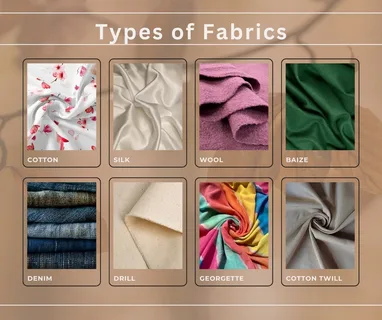
Fabric has a direct influence on the appearance, drape, hand feel, fit, and performance of a dress. Different silhouettes may require different fabric structures and compositions.
When evaluating a custom dress manufacturer, buyers should confirm whether the supplier can work with the fabric requirements of their product range and provide appropriate material recommendations when necessary.
For example, lightweight woven fabrics may be suitable for summer or resort dresses, while structured fabrics may be more appropriate for certain elegant or occasion-wear designs.
Color is a key part of a fashion brand's visual identity. A manufacturer supporting custom apparel should be able to evaluate buyer-specified colors and develop products according to the approved color requirements.
For solid-color dresses, buyers may specify a seasonal palette or brand color. For printed products, such as plaid or floral dresses, multiple colors may need to be coordinated within the same pattern.
Color references or Pantone standards can be provided during product development where applicable. Final color requirements should be confirmed through an approved sample before bulk production.
Pattern making is one of the most important technical stages in women's dress manufacturing. A garment may look simple in a design drawing but still require careful pattern development to achieve the intended proportions and fit.
Buyers should evaluate whether a women's apparel manufacturer can work with their measurement charts and adjust garment specifications for different target markets.
Important specifications may include bust, waist, hip, shoulder, garment length, sleeve length, strap position, neckline, slit length, and other construction measurements depending on the design.
OEM and ODM capabilities are important for brands that want more control over their products. OEM production is generally suitable when the buyer already has a defined design or technical specification, while ODM development can provide additional support when the buyer needs assistance developing the product.
A manufacturer experienced in both models can support different types of buyers, from established fashion brands with complete technical packages to emerging brands developing their first collection.
Private label clothing requires more than simply manufacturing a garment. Brands may need customized garment labels, packaging, product specifications, color standards, and other branding requirements.
For businesses developing private label women's dresses, the manufacturer should be able to understand and follow the brand's product and labeling requirements throughout development and production.
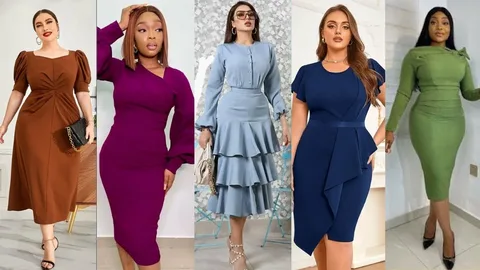
Sampling allows buyers to evaluate the product before committing to bulk production. A professional sampling process should provide an opportunity to review the fabric, color, pattern, measurements, construction, finishing, and overall appearance.
For custom women's dresses, the approved sample becomes an important reference for subsequent production. Any major changes should be reviewed and confirmed before the bulk order proceeds.
Quality control is essential when manufacturing garments at scale. Production inspection should consider measurements, stitching, seams, fabric appearance, pattern alignment, finishing, labels, and other agreed specifications.
For printed or plaid dresses, pattern alignment and visual consistency can be particularly important. For fitted garments, measurement accuracy and construction quality can have a direct impact on the final fit.
Different buyers have different production requirements. Boutique retailers may need smaller and more varied collections, while established brands may require larger quantities across multiple styles and colors.
When selecting a boutique clothing manufacturer, buyers should discuss production quantities, available size ranges, color options, sampling requirements, lead times, and production scheduling before placing an order.
Clear communication about these requirements helps both sides establish a realistic production plan.
Clear communication is essential throughout custom garment development. Design references, measurement charts, fabric specifications, color references, artwork, labels, and packaging requirements should be documented clearly.
A structured technical communication process can reduce misunderstandings and make it easier to track revisions between the initial design, sample, and final production.
A capable women's dress manufacturer should be able to adapt products for different market positions. Casual dresses, summer dresses, maxi dresses, plaid dresses, elegant dresses, resort dresses, and party dresses can all require different approaches to fabric, construction, fit, and finishing.
For example, a boutique specializing in resortwear may prioritize lightweight fabrics and relaxed silhouettes, while an occasion-wear brand may focus more heavily on construction, fit, finishing, and fabric appearance.
Customization gives fashion brands greater control over their product assortment. Instead of purchasing completely standardized products, buyers can develop garments around their own target customers and brand positioning.
Depending on the project, customization can include fabric, color, print, pattern scale, garment measurements, fit, construction details, labels, and packaging.
This is particularly valuable for brands looking for custom women's dresses that need to stand apart from widely available wholesale products.
Before contacting a manufacturer, buyers can prepare as much product information as possible. Useful materials include design sketches, reference images, technical drawings, measurement charts, preferred fabrics, color references, print artwork, labels, and estimated order quantities.
A clear product brief allows the manufacturing team to understand the project requirements more efficiently and identify potential technical issues during the early development stage.
For buyers who do not yet have a complete technical package, an experienced OEM or ODM manufacturer may also be able to provide product development assistance.
Sharon Garment provides women's apparel development and manufacturing services for fashion brands, wholesalers, boutiques, and private label businesses. The company supports product development from design and pattern making through sampling and bulk production.
Buyers can discuss custom colors, fabrics, patterns, measurements, construction details, garment labels, and other requirements according to their product specifications.
Whether you are looking for a dress manufacturer for boutiques, a private label production partner, or an OEM/ODM supplier for a new women's apparel collection, choosing a manufacturer with appropriate development and production capabilities is an important step toward building consistent products.
The right women's dress manufacturer should be evaluated from multiple perspectives, including product development, fabric knowledge, color customization, pattern making, OEM and ODM experience, private label support, sampling, quality control, production flexibility, and technical communication.
For brands and wholesale buyers, these factors can help establish a more reliable manufacturing partnership and create women's dresses that meet specific market and brand requirements.
We attach great importance to the customers' demands for product quality and rapid production.
We always believe that meeting the customers' needs is the realization of our value!

Tel:+61 414 284 868
E-mail: sharon.apparelco@gmail.com
Address:Room 101, No. 49, Chonghuan East Road, Shijie Town, Dongguan City, Guangdong Province
Copyright © 2026 Dongguan Sharon Garment Co., Ltd. All rights reserved.
Privacy Policy / Cookie Policy / Terms & Conditions