


A trusted knitwear manufacturer
A trusted knitwear manufacturer empowering your brand expansion.
Start your brandjourney today.
Fri 08 , 2026
Private label has become an important product development model for fashion brands, boutique retailers, online apparel businesses, and wholesalers. Instead of relying entirely on standardized wholesale products, brands can develop women's dresses with their own colors, fabrics, patterns, measurements, labels, and product specifications.
For businesses looking for private label women's dresses, the product concept should balance brand identity, customer demand, manufacturing feasibility, and commercial versatility. A professional manufacturing partner can help transform an initial design concept into a production-ready garment through pattern making, sampling, material selection, and bulk production.
Below are 10 private label women's dress ideas that fashion brands can consider when developing a new collection.
Maxi dresses are a flexible starting point for private label collections because the long silhouette can be developed across casual, resort, vacation, and occasion-wear categories. Brands can differentiate the product through fabric, print, neckline, sleeve construction, waist treatment, and garment length.
For brands sourcing custom maxi dresses wholesale, the base silhouette can also be developed in several colors or prints to create a coordinated seasonal collection.
Plaid dresses provide multiple opportunities for private label development. The final appearance can be changed significantly by adjusting plaid scale, color combination, line width, pattern direction, and garment silhouette.
A brand can start with a classic black and white plaid design and develop additional colorways for different seasons. Neutral combinations can support minimalist collections, while stronger contrasts can create a more distinctive fashion statement.
For businesses looking for custom plaid dresses, artwork and color requirements should be confirmed before sampling and bulk production.
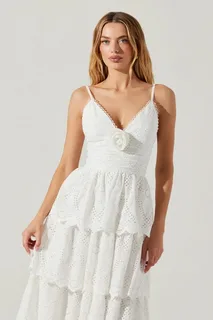
Summer dresses are one of the most practical categories for private label brands. Lightweight fabrics, relaxed silhouettes, short or maxi lengths, and different neckline constructions can be combined to create products for warm-weather markets.
Brands developing private label summer dresses can select different colors and prints according to their seasonal collection. Fabric weight, drape, construction, and finishing should also be considered during development.
Resort dresses are designed around vacation, travel, and warm-weather lifestyles. Maxi dresses, slip dresses, loose-fitting dresses, and lightweight printed styles can all be developed for resort collections.
For a private label resortwear brand, customization can include fabric selection, print development, color combinations, garment length, and construction details. This allows the collection to maintain a consistent visual identity across multiple styles.
Brands sourcing resort dresses wholesale can also develop multiple colorways from one approved design to build a broader seasonal assortment.
Minimalist slip dresses are suitable for brands that focus on clean silhouettes and understated styling. Their relatively simple construction provides flexibility for fabric, color, length, strap, neckline, and back-detail development.
A private label brand can develop the same basic slip-dress concept in solid colors, plaid patterns, or other prints depending on its target market.
This category can be positioned for casualwear, resortwear, vacation collections, or contemporary women's fashion.
Elegant dresses provide an opportunity for private label brands to develop more refined products for dinners, celebrations, parties, weddings, and other social occasions.
When developing elegant dresses wholesale, brands should pay particular attention to fabric appearance, garment structure, fit, finishing, and construction details. Small changes to neckline, sleeve shape, waist position, length, or drape can substantially affect the overall appearance of the garment.
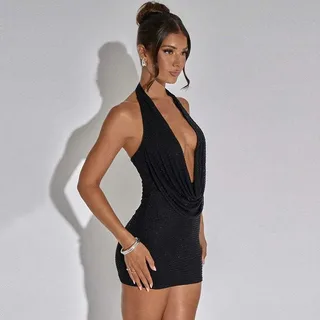
Boutique casual dresses are designed for everyday use and can form the commercial foundation of a private label collection. These products typically focus on practical silhouettes, comfortable materials, and easy styling.
For boutique retailers, customized colors and exclusive prints can make a standard casual silhouette more distinctive. Buyers can also adjust measurements and fit according to their customer base.
This makes custom women's dresses particularly useful for boutiques that want to establish a consistent product identity.
Printed dresses can give a private label collection stronger visual differentiation. Floral, geometric, plaid, abstract, and other pattern concepts can be developed for different customer groups and seasonal collections.
When developing a printed dress, buyers should consider the relationship between the artwork and the garment pattern. Print scale, placement, repeat size, color contrast, and pattern direction can influence the final appearance.
Providing clear artwork or visual references during product development can help the manufacturer understand the intended result before sample production.
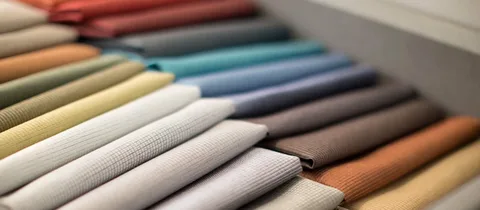
Color development is one of the simplest ways for a fashion brand to expand a private label dress collection. A single approved silhouette can be developed in several colorways to create a more complete seasonal assortment.
Brands can provide their preferred color direction, seasonal palette, brand colors, or specific color references. Depending on the fabric and production method, the manufacturer can evaluate the appropriate development process.
For brands requiring precise color matching, approved color standards or Pantone references can be provided during the development stage. Final colors should be confirmed against an approved sample before bulk production.
For brands with a clear product concept, fully customized women's dresses provide the highest level of product control. Instead of modifying an existing style only slightly, the entire garment can be developed according to the buyer's requirements.
Depending on the project, customization may include fabric composition, fabric construction, color, print, pattern scale, garment measurements, fit, neckline, sleeve construction, garment length, slit position, labels, packaging, and other technical details.
This approach is suitable for established fashion brands as well as emerging businesses building their first private label women's dresses collection.
Private label development can involve multiple parts of the garment rather than only adding a brand logo. The level of customization depends on the product requirements and manufacturing process.
Fabric: Buyers can specify preferred fabric composition, weight, hand feel, stretch characteristics, and construction requirements.
Color: Solid colors and multi-color combinations can be developed according to the brand's seasonal or visual identity.
Print: Buyers can provide original artwork or reference patterns for customized printed garments.
Fit: Garment measurements can be developed according to the brand's target market and approved measurement chart.
Construction: Necklines, straps, sleeves, lengths, openings, slits, and other garment details can be reviewed during development.
Branding: Private labels, garment labels, packaging, and other brand-specific requirements can be discussed before production.
Step 1: Product Brief
The buyer provides design references, technical drawings, measurements, fabric requirements, colors, artwork, and branding specifications.
Step 2: Technical Evaluation
The manufacturer reviews the product concept and evaluates fabric, construction, pattern, measurements, and production requirements.
Step 3: Pattern Making
A garment pattern is developed according to the approved measurements and construction requirements.
Step 4: Sample Production
A development sample is produced so the buyer can review the fit, fabric, color, print, construction, and overall appearance.
Step 5: Sample Approval
The buyer confirms the final specifications and communicates any required adjustments before bulk production.
Step 6: Bulk Manufacturing
After approval, production proceeds according to the confirmed specifications, materials, measurements, and quantities.
Step 7: Quality Inspection
Finished garments are inspected according to the agreed product requirements before packing and shipment.
Standard wholesale dresses are generally selected from existing products and are suitable for buyers who need ready-made styles. Private label production provides greater control over the product and allows brands to develop garments according to their own specifications.
For businesses building a recognizable fashion brand, private label production can provide more opportunities to establish consistent colors, silhouettes, prints, sizing, labels, and overall product positioning.
The appropriate model depends on the buyer's budget, development requirements, order quantity, product strategy, and desired level of customization.
When selecting a private label clothing manufacturer, buyers should evaluate more than the quoted unit price. Product development capability, pattern making, fabric knowledge, sample quality, production capacity, quality control, communication, and customization options are all important factors.
It is also important to confirm how the manufacturer handles product specifications. Clear technical documentation can reduce misunderstandings between the design, sampling, and bulk production stages.
OEM and ODM manufacturing can provide different levels of support for fashion brands. OEM production is suitable when the buyer has an established design or technical specification, while ODM can be useful when the buyer needs assistance developing the product concept.
For brands developing OEM women's clothing, the manufacturer needs to follow the buyer's approved specifications accurately. For ODM projects, product development support may begin earlier, including design, pattern, fabric, and construction decisions.
Choosing the appropriate manufacturing model allows brands to control the level of involvement they have in the product development process.
A successful private label collection should have consistency across individual products. This can include coordinated color palettes, fabric selections, sizing systems, garment labels, packaging, and design details.
Instead of developing every dress as a completely independent product, brands can create a collection around several core silhouettes and then introduce different colors, patterns, and construction details.
This approach can provide retailers with a broader product assortment while maintaining a recognizable brand identity.
Sharon Garment provides OEM and ODM manufacturing services for fashion brands, boutique retailers, wholesalers, and private label businesses. Product development can cover design concepts, pattern making, fabric selection, custom colors, prints, measurements, sampling, and bulk production.
Buyers can provide their own designs, technical drawings, reference samples, measurement charts, artwork, or color requirements. The product can then be evaluated and developed according to the specific requirements of the project.
Whether you need private label women's dresses, custom maxi dresses, plaid dresses, summer dresses, resort dresses, or other women's apparel, a structured OEM and ODM process can help turn a product concept into a production-ready collection.
Private label gives fashion brands greater control over the development of women's dresses. From fabric and color to print, measurements, construction, labels, and packaging, different product elements can be customized according to the brand's requirements.
Maxi dresses, plaid dresses, summer dresses, resort dresses, slip dresses, elegant dresses, casual dresses, printed dresses, and seasonal color collections can all be developed as part of a private label strategy.
If you are looking for a reliable private label women's dress manufacturer, Sharon Garment can support product development and OEM/ODM manufacturing according to your design, material, color, measurement, branding, and production requirements.
We attach great importance to the customers' demands for product quality and rapid production.
We always believe that meeting the customers' needs is the realization of our value!

Tel:+61 414 284 868
E-mail: sharon.apparelco@gmail.com
Address:Room 101, No. 49, Chonghuan East Road, Shijie Town, Dongguan City, Guangdong Province
Copyright © 2026 Dongguan Sharon Garment Co., Ltd. All rights reserved.
Privacy Policy / Cookie Policy / Terms & Conditions